How I Read a Contract
Original post on LinkedIn here.
How I read a contract.
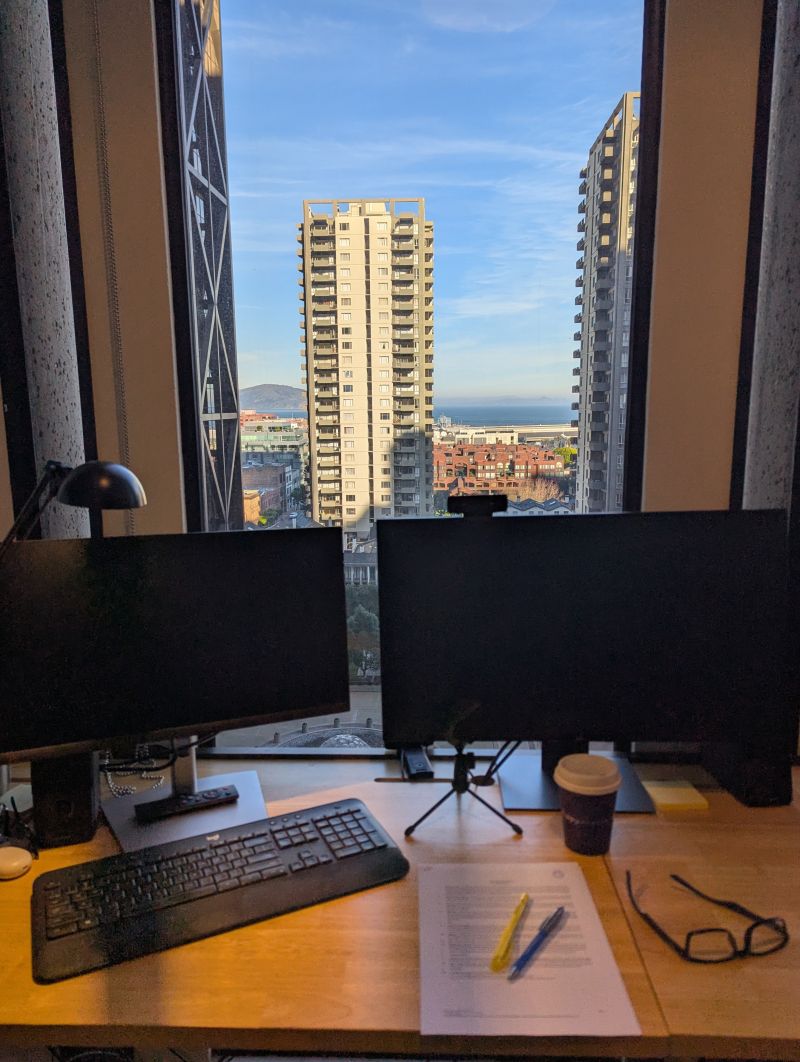
1. Print it out. Find a space with natural light or a good lamp. Clear the surface area of distractions. Grab a pen and highlighter. Jot your concerns in the margin and keep a running issues list on the back of the last page.
2. Make your worry list. Am I the customer or vendor? Set your frame and then make a list of what you care and worry most about in this deal.
3. Start with the definitions. Definitions tell the entire story of the contract. Reading them in isolation, while you are still fresh, will reveal nuances you are certain to miss later. This will also reveal whether you are in good hands here – a well drafted contract defines a concept once and keeps all operative language in the main body.
4. Read the "what's it about" clauses. Every contract is about something - read those clauses first. Is this a SaaS agreement? Run through usage, restrictions and IP clauses. Trace every reference to the word “data.” And then make sure the pricing, payment and commercial provisions all work.
5. Run the "Risk Through Line." Warranty, indemnity and limitation of liability form the risk allocation spine of every commercial contract. What assurances are being made in the warranties and do they survive the disclaimers? Is there a contractual remedy (credits) or am I being made to sue? How do those same assurances fare in the indemnity and what am I being made to cover for back? Finally, do I have a path through the damages cap for meaningful recovery in any event?
6. Scan the general terms. It may be called "miscellaneous" but this is where the integrity of the relationship can quietly unravel. Assignment can change the parties to the deal – make sure it works for you in your role and there is notice in any event. Watch also for unilateral rights to amend by updating linked terms, and ensure that affiliate and subcontractor clauses don’t undermine an otherwise clear division of rights and responsibilities.
7. Have I seen it all? Check for linked or incorporated provisions: DPAs, SLAs, security exhibits, acceptable use policies. Make a list and set a process to review each one. These documents should be ancillary and stay in their lane. Watch for provisions that redo the risk allocation or repeat core terms from the main agreement.
8. How does the story end? Your last stop is to trace through how termination, data deletion, wind-down and survival work. Don’t leave a mess for those who come after you. Nobody coming later will ever have a better sense of what was intended than you do today.
Brought to you by your friends at Bonterms. Bonterms Standard Agreements are free-to-use, neutral agreements vetted by our 120-lawyer Committee and cover the full range of IT procurement transactions. The Bonterms Platform is the fastest, easiest way to get a deal done on a Bonterms Standard. Learn more: bonterms.com.